Cisco, its Australian partner Data#3 and researchers from Adelaide University have successfully wrapped up a two-year collaborative project aimed at strengthening sovereignty and cyber resilience in connected vehicles and other military platforms — a partnership enabled by Cisco’s Country Digital Acceleration (CDA) Program and supported by co-funding from Defence Trailblazer’s Advanced Innovation Fund.
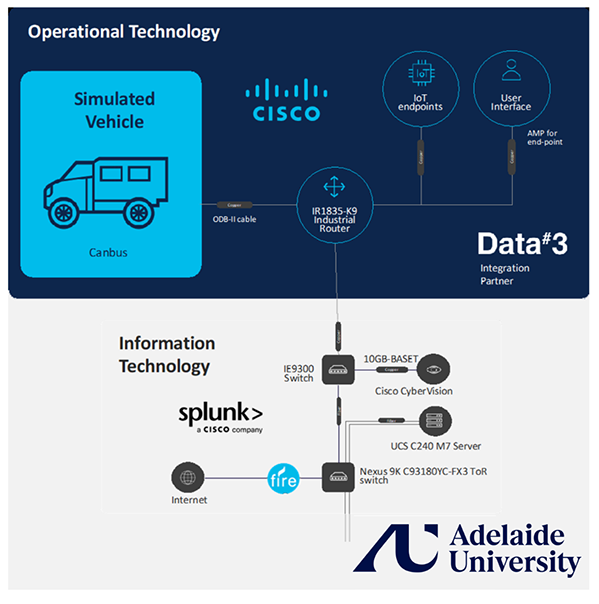
Image from Cisco and Data#3
The Resilient Platform Interfaces (RPI) project focused on protecting Operational Technology (OT) systems, including vehicles and equipment, from cyber threats originating on the Information Technology (IT) network.
The problem
Military platforms, machinery and critical infrastructure rely on integrated communication systems to allow efficient communication and remote access. However, this connectivity broadens the potential attack surface, particularly at the interface between OT systems (which control machinery and equipment), and IT systems (which manage data and information processing).
Cyber threats and risks may originate on the IT network and subsequently expose the OT interfaces. This could impact the vehicle controls or compromise confidentiality, integrity, or availability of platforms and infrastructure.
The project demonstration
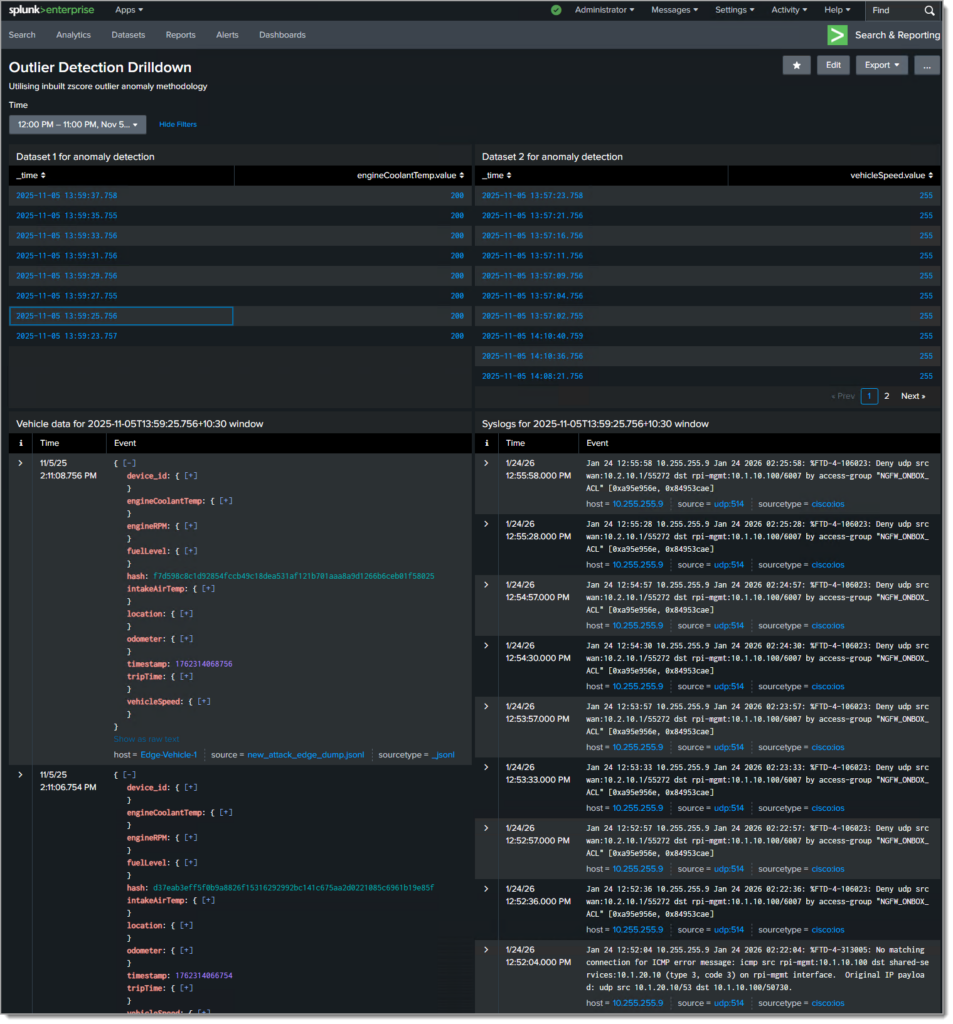
The RPI project simulated a connected vehicle as the OT platform to demonstrate the cyber defensive solution. The team aimed to improve the security and resilience of both the vehicle platform (the OT) and the connected IT network interfaces. A novel AI anomaly detection capability was also used for the defence of the Canbus, the vehicle’s communication system.
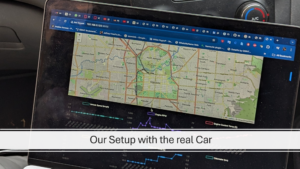
Setup with vehicle platform
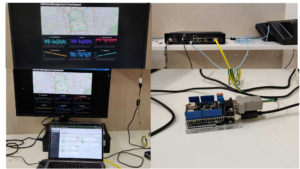
RPI initial setup
The project demonstration showed that the team could:
- Detect a cyber threat on the IT network
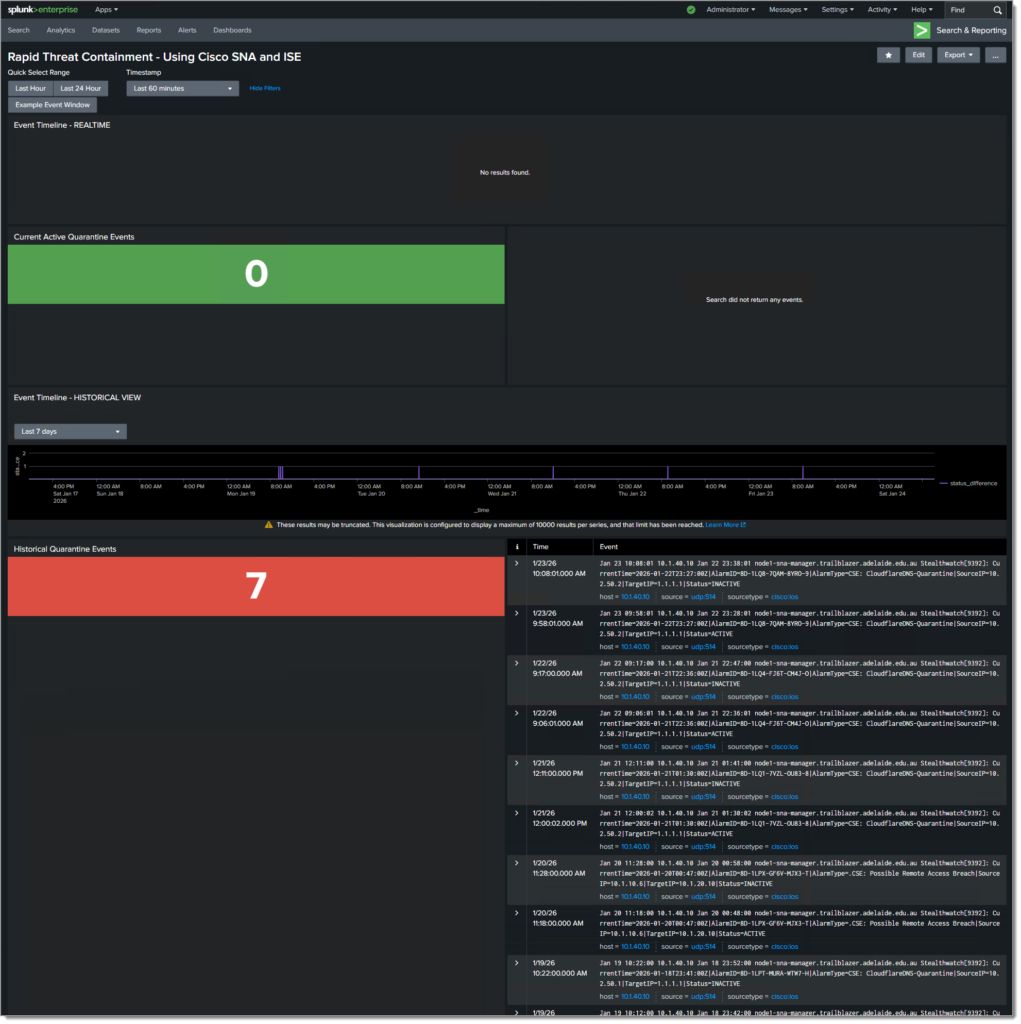
- Automatically respond in real time
- Contain the threat at machine speed
The solution
The team implemented a Rapid Threat Containment solution using Cisco networking and security measures. The project demonstrated that cyber threats can be detected and responded to effectively, allowing operators to take timely action. As well as Defence, the RPI solution has strong potential to be adapted to a range of other sectors.
Adelaide University academics made significant advances in novel edge AI models running on the Cisco Industrial Routers, applying advanced algorithms and mathematical models to increase platform security.
Professor Hung Nguyen, Defence Trailblazer Information Warfare & Cyber Theme Lead at Adelaide University, explained:
“We used advanced mathematical and AI techniques to design and train trustworthy autonomous agents capable of defending networked systems. These tools help human operators manage the complexity and speed of the modern cyber environment.”
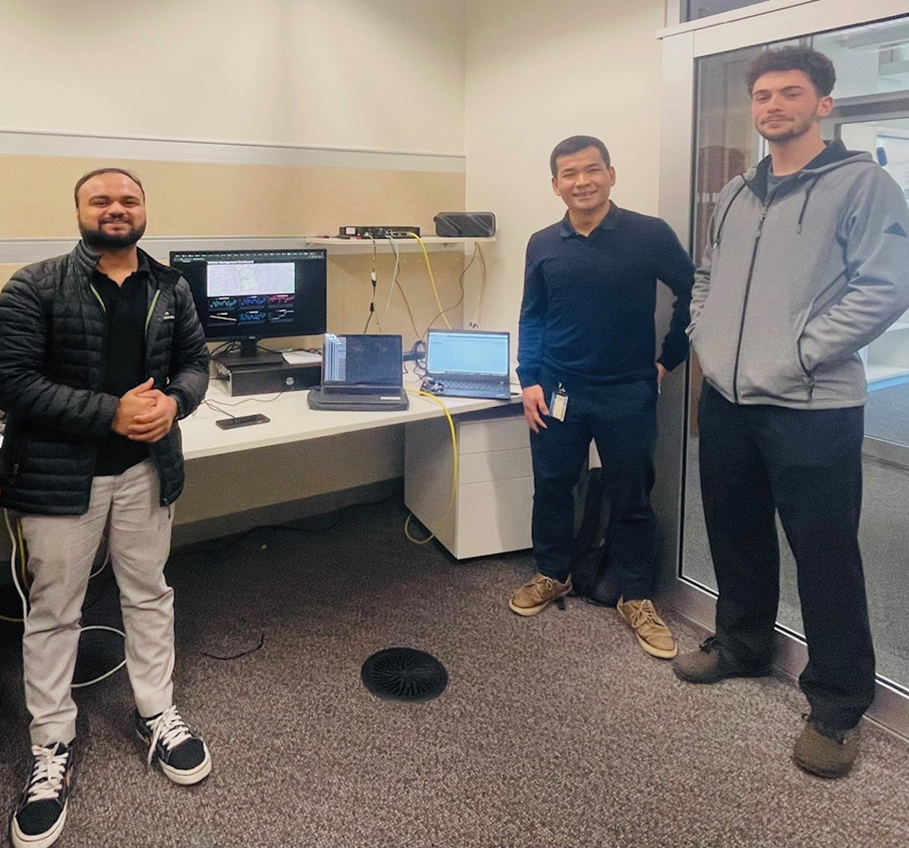
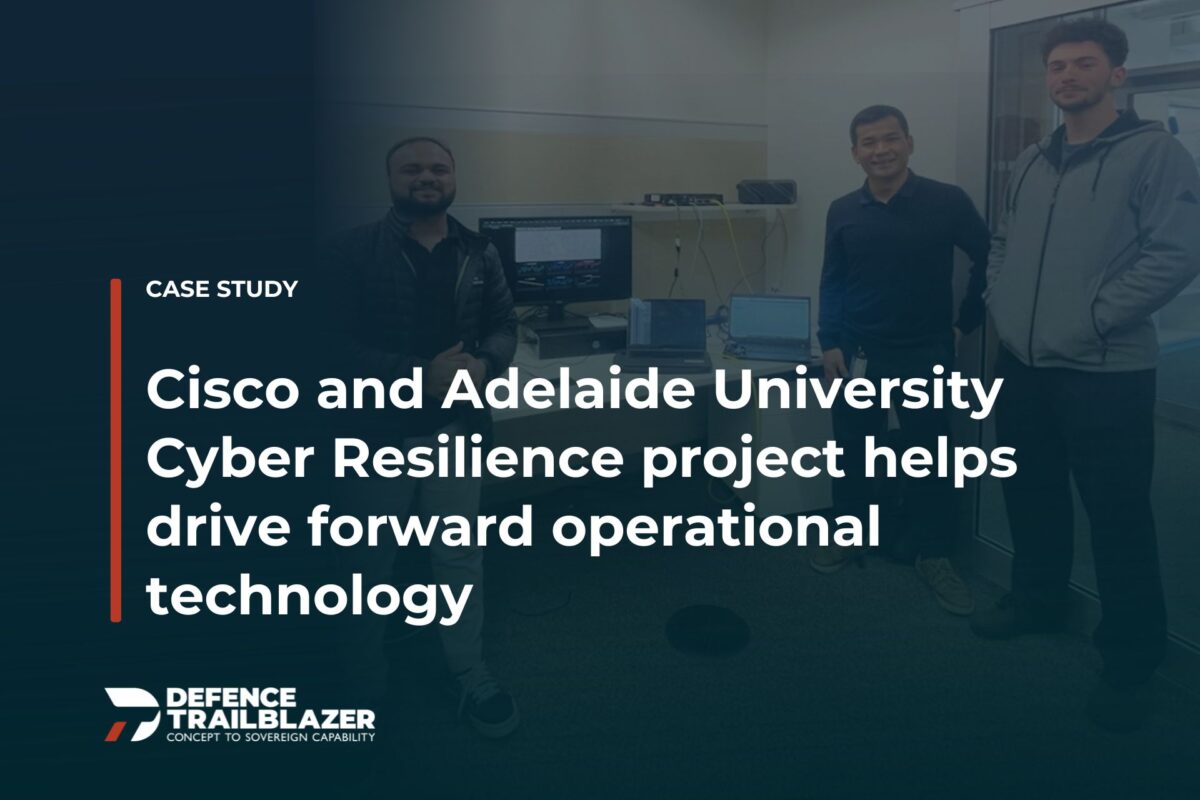
Adelaide University project team (from left): Sagar Manubhai Patel, Professor Hung Nguyen, Corey Poulish
Collaboration for sovereign capability
Defence Trailblazer Executive Director Dr Sanjay Mazumdar said of the project: “This was the first among Defence Trailblazer’s suite of projects in the IW & Cyber theme, and we are excited to see such a successful outcome. Cyber technologies like these are essential to deliver resilient and scalable ICT systems and safeguard our national security.”
Amit Bahl, Cisco’s Country Digitisation Director for APJC, said that the collaboration between Cisco, Adelaide University and Defence Trailblazer exemplifies the ‘Triple Helix’ model:
“When academia, industry, and government come together with a shared commitment to sovereign capability, we can accelerate defence innovation from concept to deployment. The CDA program co-investment model ensures we’re not just providing solutions — we’re building Australia’s digital and strategic resilience for the long term.”
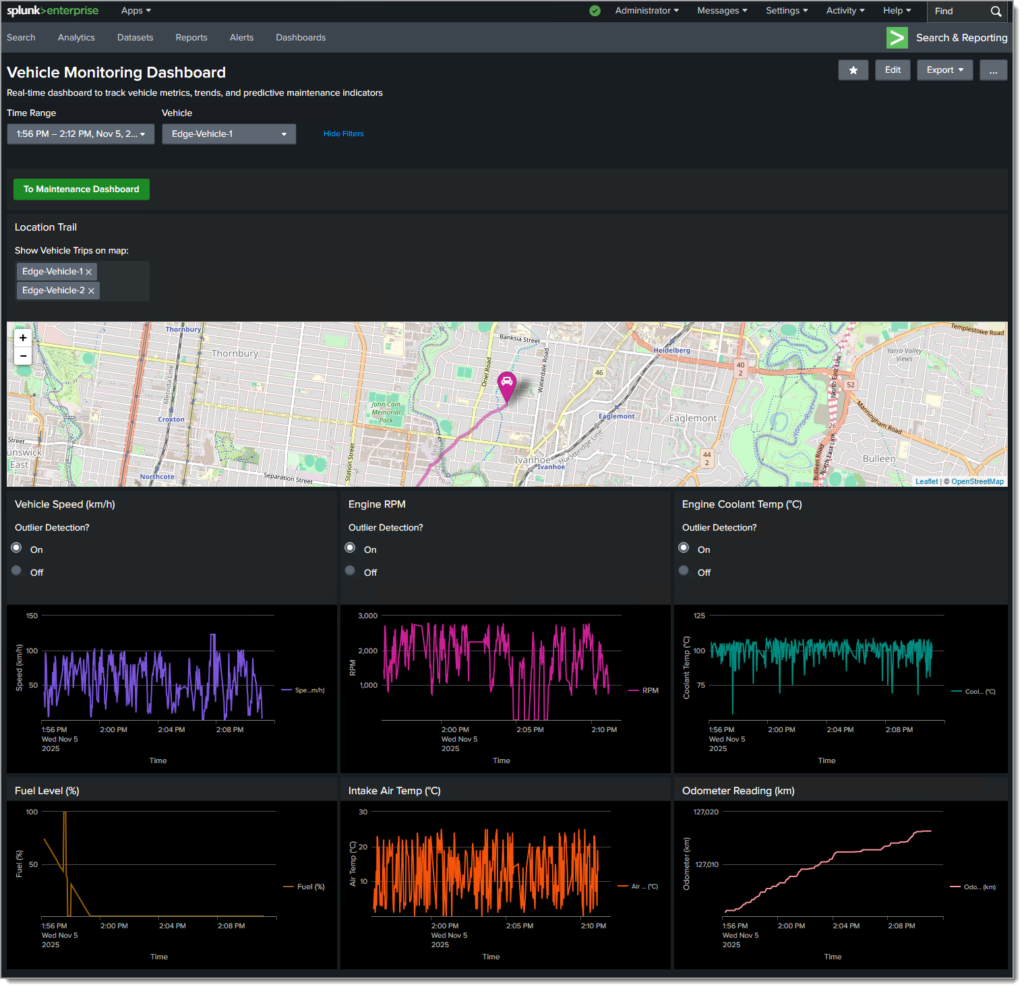
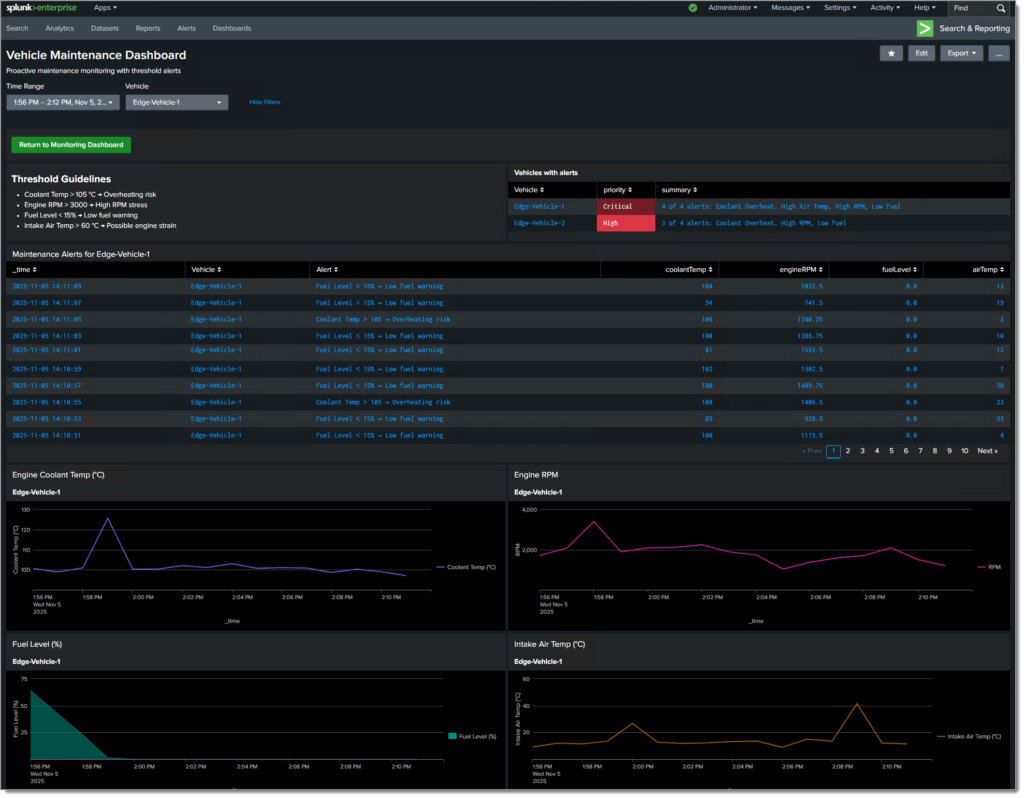
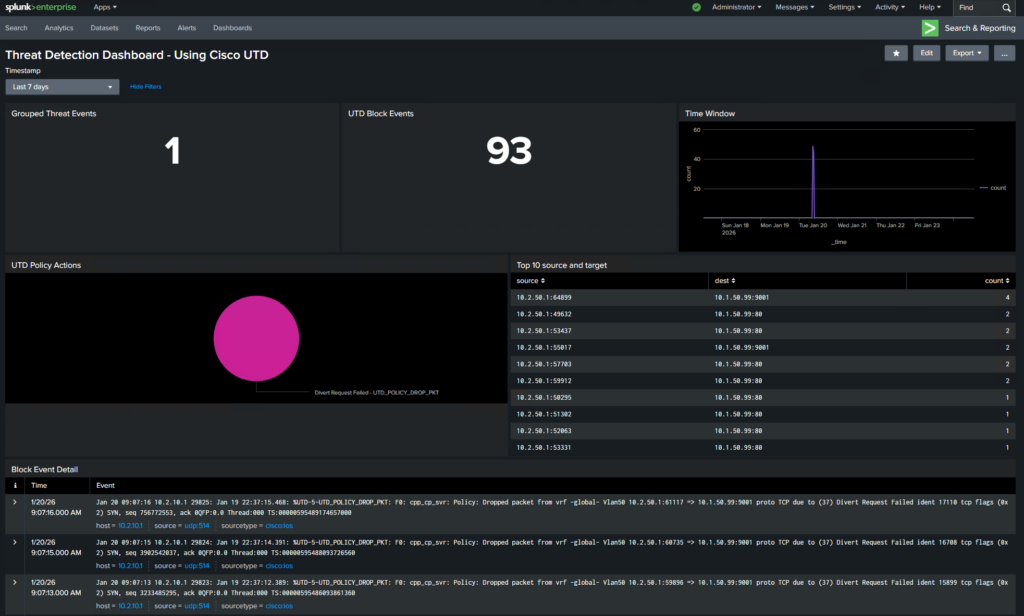
Gallery: Images from the Splunk dashboard (the Splunk platform collects and analyses data).
About Cisco’s Country Digital Acceleration (CDA) Program: The CDA global program collaborates with government and private sector leaders to build sustainable, secure, and inclusive communities powered by ethical and innovative technology solutions.
About Data#3: Data#3 is recognised by Cisco for delivering measurable customer outcomes across the full technology lifecycle – not just at implementation, but long after go-live.